Source Heat Resistant Conveyor Drive Units for Food, Mining, and Power Plants
Find and compare heat resistant conveyor drive units from 30 verified listings. These systems feature aluminum or stainless steel frames with fire and heat resistant materials, suitable for food machinery, mining transport, and power plant applications. Review specifications and request quotes.
Key considerations
Products List






Comprehensive Sourcing Guide
Heat Resistant Conveyor Drive Units Sourcing Guide
Buyers must first distinguish between aluminum and stainless steel frames when selecting units for food machinery or packaging lines, as material choice dictates initial corrosion resistance and thermal stability. The observed listings confirm that aluminum frames are common for general applications, while stainless steel variants, specifically 201 grade, are available for environments requiring higher hygiene or chemical resistance. This material distinction directly influences the unit's suitability for food processing versus heavy industrial mining transport, requiring a clear definition of the operating environment before procurement begins.
Procurement teams should also verify the specific surface treatment and heat resistance features listed in product descriptions, as these attributes determine long-term durability under thermal stress. Available data indicates that polishing is a standard finish for aluminum components, while carbon steel units often receive painting or anti-rust oil coatings to mitigate environmental degradation. Buyers must ensure that the selected unit explicitly lists fire and heat resistance features, as these are critical for applications involving grain transport or chemical industries where ambient temperatures may fluctuate significantly.
Product Scope and Observed Listing Signals
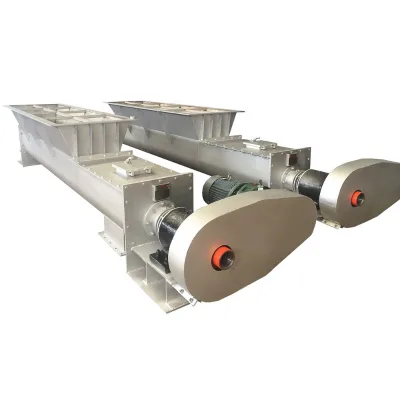
The market for heat resistant conveyor drive units spans a wide range of applications, from flexible conveyor systems in packaging to heavy-duty mining transport and power plant operations. Listings indicate that these units are frequently configured as belt or chain conveyors, with specific models designed for grain transport and chemical industry processing. Buyers should note that the product scope includes various structural configurations, such as single adjustable baffles, which allow for precise material positioning and flow control in diverse industrial settings.
Commercial signals in the current market show a significant variation in pricing, ranging from low-cost entry units to high-value industrial systems, reflecting differences in motor power and frame construction. The observed minimum order quantities vary from single units to bulk sets, suggesting flexibility for both pilot projects and large-scale facility rollouts. Buyers must carefully review the packing specifications, as some units are shipped in wooden cases or pallets while others use hard cardboard cartons, which impacts logistics planning and on-site handling requirements.
Technical Specifications to Verify
Engineers must validate the motor specifications and conveying speed capabilities to ensure the drive unit matches the production line's throughput requirements. Available data highlights the use of reduction motors with speed ranges typically between 5 and 25 meters per minute, which is suitable for controlled material handling in food and packaging sectors. It is essential to confirm that the motor type aligns with the specific load demands of the application, as underpowered units can lead to bottlenecks or premature mechanical failure in continuous operation environments.
Dimensional compatibility and model standardization are equally critical, as units are available in various sizes including 45, 85, and 300 series, with some custom sizes accepted upon request. Buyers should verify that the selected model number corresponds to the required frame dimensions and tooth count for chain compatibility, particularly for heavy-duty applications like mining transport. The presence of specific standard dimensions, such as 150mm by 120mm, serves as a baseline for integration, but custom sizing options must be confirmed to ensure seamless fitment within existing facility infrastructure.
Compliance and Safety Documentation
Safety compliance in heat resistant conveyor systems relies heavily on the verification of material features and surface treatments that prevent fire hazards and thermal degradation. Buyers should request documentation confirming that the selected units possess verified fire and heat resistance properties, especially for applications in chemical industries or power plants where thermal risks are elevated. The absence of explicit safety certifications in general listings necessitates a direct inquiry to the supplier regarding specific test results or compliance with local industrial safety standards.
Quality assurance documentation must also address the condition of the equipment, ensuring that all units are supplied as brand new or in a verified new state. Procurement teams should require proof of the manufacturing process, including heat treatment methods like quenching and tempering, which are essential for maintaining the structural integrity of carbon steel components under high-stress conditions. Without clear evidence of these processes, the risk of premature wear or catastrophic failure in high-temperature environments increases significantly, making detailed technical validation a mandatory step before finalizing any purchase.
Cost Drivers and Commercial Terms
The total cost of ownership for these drive units is heavily influenced by the choice of frame material, with stainless steel options generally commanding a premium over aluminum or carbon steel alternatives. Buyers must analyze the trade-off between initial acquisition costs and long-term maintenance expenses, as higher-grade materials often reduce the frequency of replacements in corrosive or high-heat environments. The observed price range of 5 to 75,000 USD reflects this disparity, requiring a detailed cost-benefit analysis based on the specific operational demands of the facility.
Commercial terms regarding packaging and shipping also play a significant role in the final procurement budget, as specialized wooden cases or containers add to the overall logistics cost. Suppliers may offer different packing configurations, such as pallets or wooden boxes, which can affect the efficiency of on-site unloading and storage. Buyers should negotiate clear terms regarding the condition of the goods upon arrival, ensuring that the 100% brand new status is maintained throughout the shipping process to avoid hidden costs associated with damage or replacement.
Supplier Qualification and Quality Control
Supplier qualification requires a rigorous assessment of their manufacturing capabilities, particularly regarding the production of heat-resistant components and the consistency of their surface treatment processes. Buyers should verify that the supplier has a proven track record in producing units for the specific industries they serve, such as food machinery or mining transport, to ensure familiarity with the unique challenges of those sectors. The location of the supplier, often in regions like Hubei Province in China, should be considered in the context of their logistical capabilities and ability to support international shipments.
Quality control protocols must be explicitly defined to ensure that every unit meets the specified standards for material composition and mechanical performance. Procurement teams should request evidence of the production process, including the use of reduction motors and the application of anti-rust oil coatings, to confirm that the units are built to withstand the intended operational stresses. Establishing a clear quality assurance framework with the supplier is essential to mitigate risks associated with non-compliant products and to ensure that the delivered units perform reliably in demanding industrial environments.
Long-Term Procurement Checks
Sustainable procurement strategies for heat resistant conveyor drive units involve establishing a framework for ongoing performance monitoring and maintenance planning. Buyers should implement regular inspection schedules to verify that the heat resistance and fire-resistant features remain effective over time, as material degradation can occur even in high-quality units. This proactive approach helps identify potential issues before they lead to costly downtime, ensuring that the conveyor systems continue to operate efficiently in high-temperature or chemically aggressive environments.
Future-proofing the procurement process requires maintaining open communication channels with suppliers to stay informed about advancements in material science and manufacturing techniques. Buyers should regularly review the compatibility of their existing units with new chain standards or motor technologies to ensure continued operational flexibility. By staying engaged with the supplier ecosystem, organizations can adapt to changing industry requirements and maintain a competitive edge through reliable, high-performance conveyor drive systems that meet evolving safety and efficiency standards.
FAQs
What materials are used for heat resistant conveyor drive units?
These units are constructed from aluminum, stainless steel, or carbon steel to ensure durability. Some models feature fire and heat resistant properties suitable for demanding industrial environments like mining and power plants.
Can I customize the specifications for these conveyor systems?
Yes, customization is available for various models including sizes like 45, 85, and 300. Buyers can request specific dimensions and features to match their unique production line requirements and operational constraints.
Which surface treatments are applied to the conveyor components?
Components undergo polishing, painting, or anti-rust oil coating to enhance longevity. Additional heat treatment processes like quenching and tempering may be applied to ensure structural integrity under high-temperature conditions.
How are these units packaged for international shipping?
Products are typically packed in wooden boxes, pallets, or hard cardboard cartons. Specific configurations like 2PCS per set or custom wooden cases ensure safe transport and protection during global logistics operations.
What applications support these heat resistant conveyor drive units?
They serve food machinery, packaging, power plants, and mining transport sectors. The systems are designed for flexible conveyor applications requiring reliable performance in chemical industries and grain transport environments.
What is the typical conveying speed for these units?
Conveying speeds generally range from 5 to 25 meters per minute depending on the model. This range allows for efficient material handling while maintaining stability and safety across various industrial processing workflows.